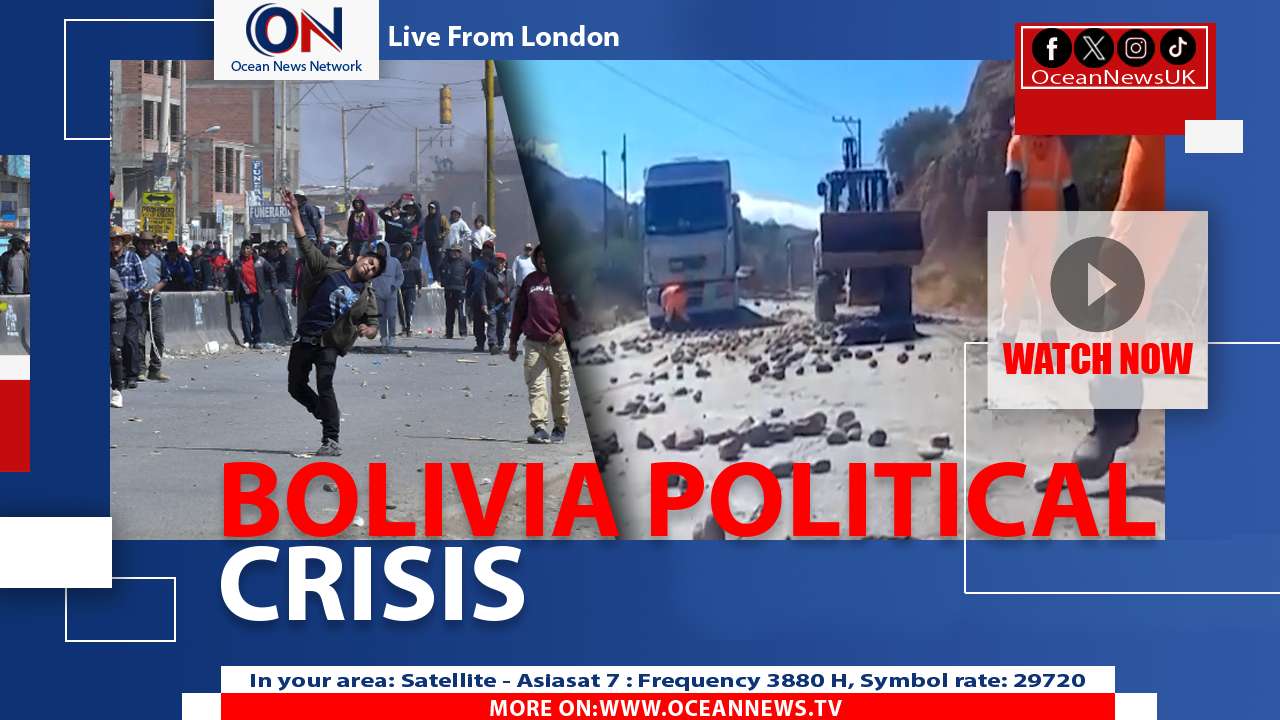
Bolivia is facing growing political and social unrest as violent protests, road blockades, and clashes with police continue escalating across major cities including La Paz, El Alto, and Cochabamba.
Thousands of demonstrators have taken to the streets demanding economic relief and calling for the resignation of President Rodrigo Paz amid worsening economic conditions and rising public frustration.
Videos from the protests showed security forces firing tear gas to disperse crowds while protesters responded with firecrackers, burning barricades, and blocked roads across several areas.
The unrest has severely disrupted daily life, with major highways closed and access routes to El Alto International Airport blocked by demonstrators.
Authorities say the crisis is now affecting supplies of food, fuel, and medicine, leading to growing shortages and increasing anger among citizens already struggling with rising living costs.
Businesses and transport services have also been impacted as protests continue spreading through different parts of the country.
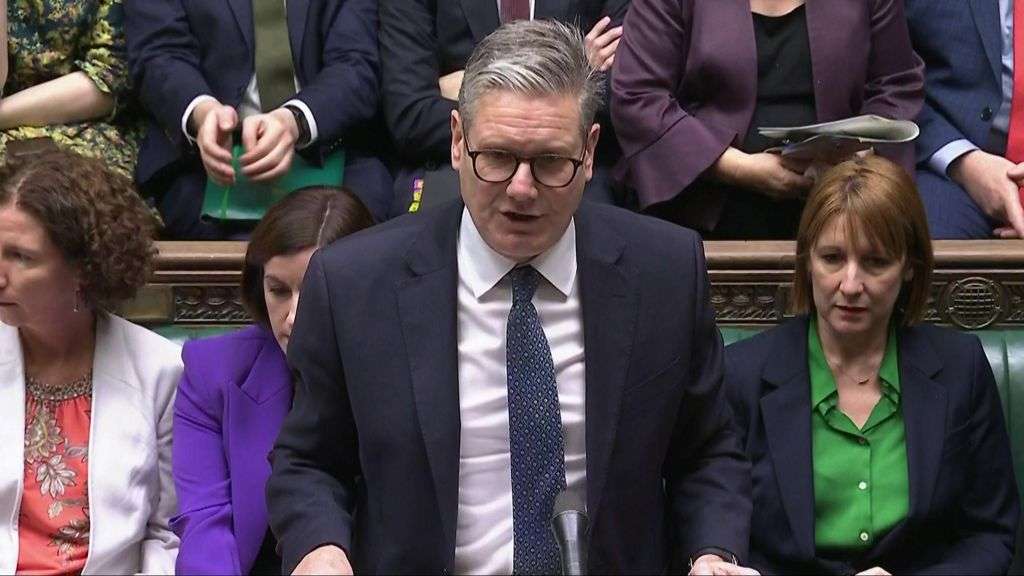
Meanwhile, lawmakers in Bolivia’s Congress are debating proposals to expand emergency powers and increase military authority during periods of social conflict and unrest.
The government is facing mounting pressure as fears grow that the situation could deepen into a larger political crisis if negotiations fail.
Analysts say the demonstrations reflect widespread frustration over economic instability, inflation, and concerns about the government’s ability to manage the crisis.
International attention is also increasing as scenes of clashes, airport blockades, and supply disruptions continue dominating headlines.
For now, tensions remain extremely high across Bolivia as protests continue and political leaders search for a way to restore stability.