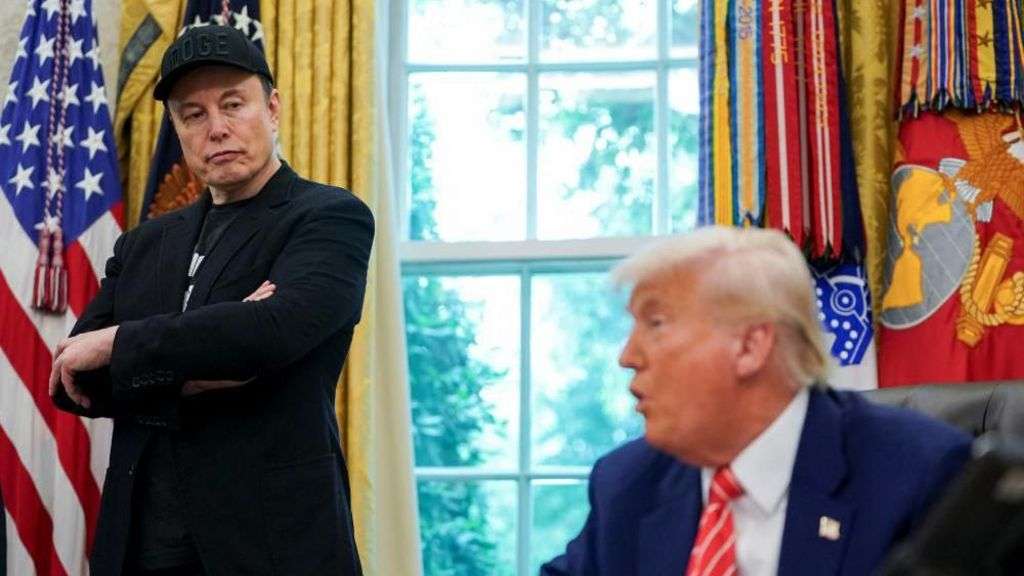
U.S. President Donald Trump delivered his 2026 State of the Union address amid mounting challenges at home and abroad seeking to reset his political narrative as midterm elections approach. Trump used the televised speech to highlight what he called a “golden age of America” touting economic achievements tax cuts and lower drug prices even as approval ratings lag and many voters express frustration over the cost of living and slow wage growth.
At the same time Trump faces international headwinds including rising tensions with Iran over its nuclear programme and a recent Supreme Court decision that invalidated key parts of his global tariff regime developments that have complicated his foreign policy agenda and drawn criticism from allies and rivals alike.
In the speech Trump sought to frame his policies as strengthening America’s standing calling for bipartisan cooperation on economic priorities and pressing Congress to act on jobs infrastructure and energy. He also signaled firmness on national security issues and reiterated support for legislative measures aimed at reducing everyday costs for families.
But the address underscored how persistent political and economic headwinds continue to shape the landscape: with inflation concerns slowing growth and public skepticism over trade and foreign engagement Trump’s message must resonate with a public uncertain about his leadership and direction. Analysts say the speech was both a defensive pivot and a campaign launchpad as Republicans aim to hold their majorities in the House and Senate later this year.
Trump’s challenge now is to convert his rhetoric into broader support convincing voters that his economic record and strategic vision will deliver tangible improvement even as critics highlight gaps between his claims and everyday realities facing many Americans.