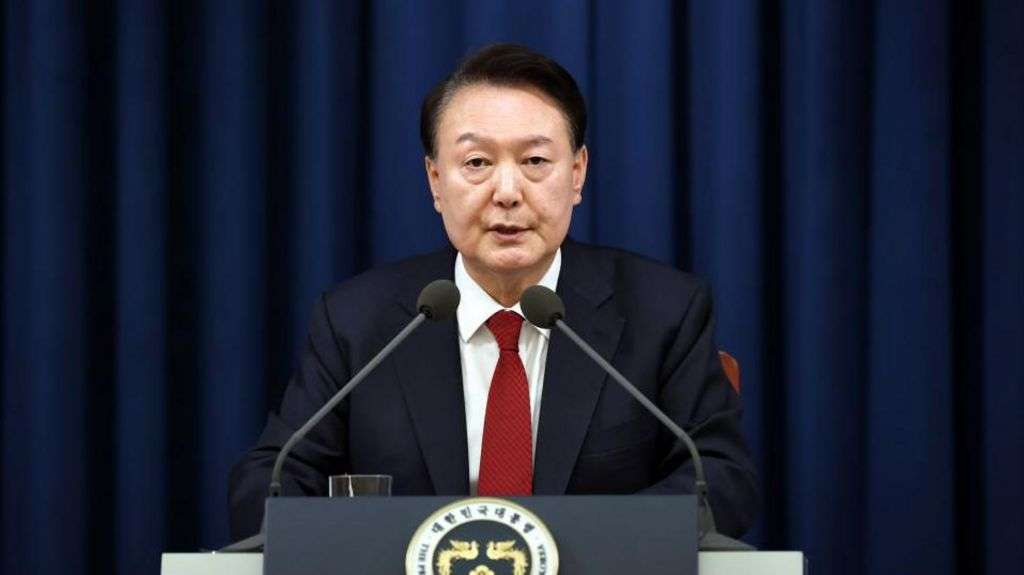
The United States appears to be moving closer to the brink of conflict with Iran, as President Donald Trump escalates military pressure in the Middle East even while his own advisers urge a renewed focus on domestic economic issues.
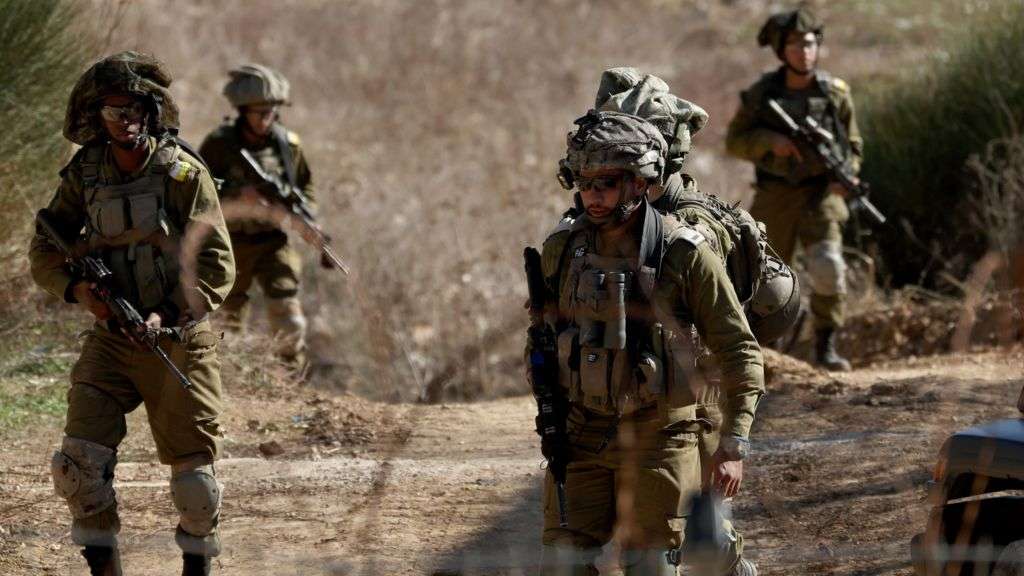
Trump has authorised a substantial buildup of U.S. forces in the region and has prepared military options including possible air strikes as part of efforts to compel Tehran to accept terms on its nuclear programme. His rhetoric has included warnings that “bad things” could happen if Iran fails to agree to what Washington considers a fair deal, reflecting one of the most confrontational U.S. stances toward Tehran in decades.
Despite this escalation, several top aides are reportedly urging Trump to shift attention back to the U.S. economy, where issues like inflation, housing costs and the cost of living remain top concerns for voters ahead of crucial midterm elections. These advisers warn that a conflict with Iran risks overshadowing domestic priorities and could alienate parts of Trump’s political base who favour less foreign entanglement.
At the same time, Iranian officials have indicated they are preparing a draft counterproposal to resume negotiations, suggesting there may still be a diplomatic path to easing tensions if both sides can find common ground.
With U.S. troops and naval assets in place, Washington’s deepening military readiness signals that the option of force remains on the table even as diplomacy continues in parallel raising high stakes for regional stability.
The situation underscores the delicate balance between diplomacy and escalation in U.S Iran relations, with potential ramifications not only for the Middle East, but for global markets, alliances and domestic politics as the U.S. grapples with both foreign threats and voter concerns at home